
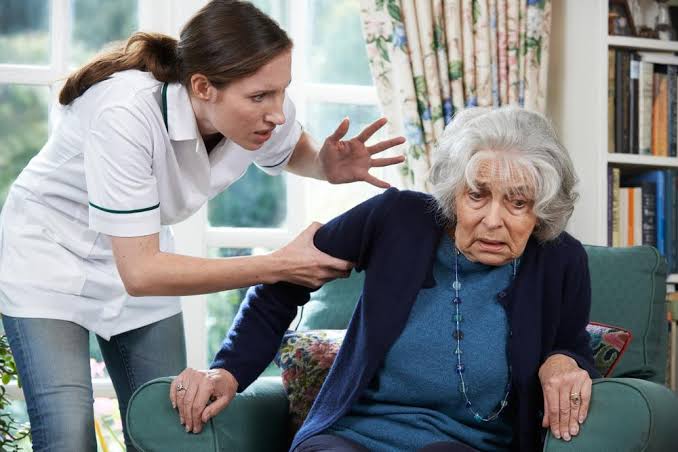
Nursing homes are entrusted with the care and safety of older adults who may need assistance with daily activities, medication, mobility, and medical needs. When that responsibility is neglected or abused, residents can suffer serious physical and emotional harm. Families who notice unexplained injuries, sudden behavioral changes, poor hygiene, or other warning signs may need to understand what protections are available. For those seeking guidance, a knowledgeable nursing home abuse attorney in Kansas City with Mohlman Injury Law may help explain the legal options available to affected residents and their families. Mohlman Injury Law is located at 701 E 63rd St Ste 300, Kansas City, Missouri, and can be reached at +1 816-427-6559.
What Is Nursing Home Abuse?
Nursing home abuse occurs when a resident is intentionally harmed or mistreated by a caregiver, employee, or another person responsible for the resident’s well-being. Abuse can take several forms, and not every case involves visible physical injuries.
Physical Abuse
Physical abuse may include hitting, pushing, kicking, unnecessary physical restraint, or other acts that cause injury. Unexplained bruises, fractures, burns, or repeated injuries can sometimes be warning signs that deserve further attention.
Emotional or Psychological Abuse
Emotional abuse involves conduct that causes fear, distress, humiliation, or emotional suffering. Examples may include threats, insults, intimidation, deliberate isolation, or repeatedly treating a resident disrespectfully.
Sexual Abuse
Sexual abuse occurs when a resident is subjected to unwanted sexual contact or activity. Residents who have cognitive impairments may be particularly vulnerable because they may have difficulty communicating what happened.
Financial Abuse
Financial exploitation involves improperly taking or using a resident’s money, property, benefits, or other assets. Warning signs can include unusual withdrawals, missing belongings, unexplained financial transactions, or sudden changes to financial documents.
Nursing Home Neglect Can Also Cause Serious Harm
Abuse is not the only concern in long-term care facilities. Neglect occurs when a nursing home or caregiver fails to provide an appropriate level of care, potentially resulting in harm.
Examples may include failing to provide adequate food or water, ignoring medical needs, improperly administering medication, failing to reposition residents who cannot move independently, or allowing unsafe conditions to continue.
Neglect can contribute to serious medical problems, including infections, dehydration, malnutrition, falls, and pressure injuries. A pressure injury, sometimes called a bedsore, can develop when a person remains in the same position for too long without appropriate care.
Warning Signs Families Should Know
Recognizing potential abuse or neglect can be difficult because some residents may have existing medical conditions or communication challenges. Families may want to pay attention to changes that do not have a clear explanation.
Potential warning signs include:
- Unexplained bruises, cuts, burns, or fractures
- Sudden changes in mood or behavior
- Fearfulness around particular caregivers
- Poor hygiene or consistently soiled clothing
- Unexplained weight loss or dehydration
- Untreated medical conditions or injuries
- Repeated falls
- Bedsores or other pressure injuries
- Missing personal belongings or money
- Unexplained changes in financial accounts or documents
One warning sign does not necessarily establish abuse or neglect. However, repeated or unexplained concerns may warrant closer investigation.
What Should Families Do When They Suspect Abuse?
When a family suspects that a nursing home resident has been harmed, documenting concerns can be important. Families may keep records of injuries, medical treatment, conversations with facility staff, and significant changes in the resident’s condition.
Medical records and photographs may also help establish what happened and when. Written communications with the facility can create a record of concerns that were reported and how the facility responded.
Families can also report suspected abuse or neglect to the appropriate authorities. In Missouri, different agencies and reporting procedures may apply depending on the circumstances. The Missouri Department of Health and Senior Services provides information concerning complaints and reports involving long-term care facilities.
If the situation involves immediate danger, emergency assistance may be necessary rather than waiting for an administrative investigation.
How a Nursing Home Abuse Claim May Work
A legal claim involving nursing home abuse or neglect generally requires evidence showing that a person or organization had a legal responsibility toward the resident and that the conduct or failure to act caused harm.
The specific legal issues can vary depending on the circumstances. Evidence may include medical records, photographs, witness statements, facility records, incident reports, financial documents, and communications between the family and nursing home.
Damages, meaning compensation for legally recognized losses, may potentially include medical expenses and other losses connected to the harm. The types and amount of damages available depend on the facts of the case and applicable Missouri law.
Understanding Residents’ Rights
Nursing home residents retain important rights even after moving into a long-term care facility. Residents generally have rights concerning dignity, privacy, appropriate care, communication, and freedom from abuse and neglect.
Families and residents can review federal nursing home requirements through resources provided by the Centers for Medicare & Medicaid Services (CMS). Understanding these protections can make it easier to recognize when the standard of care may not have been met.
Key Takeaways
Nursing home abuse and neglect can take many forms, including physical mistreatment, emotional abuse, sexual abuse, financial exploitation, and failures to provide appropriate care. Warning signs such as unexplained injuries, sudden behavioral changes, poor hygiene, malnutrition, or missing property should not automatically be treated as proof of wrongdoing, but they can justify further questions. Careful documentation, medical evaluation, appropriate reporting, and an understanding of residents’ legal rights can help families respond to concerns. I
