
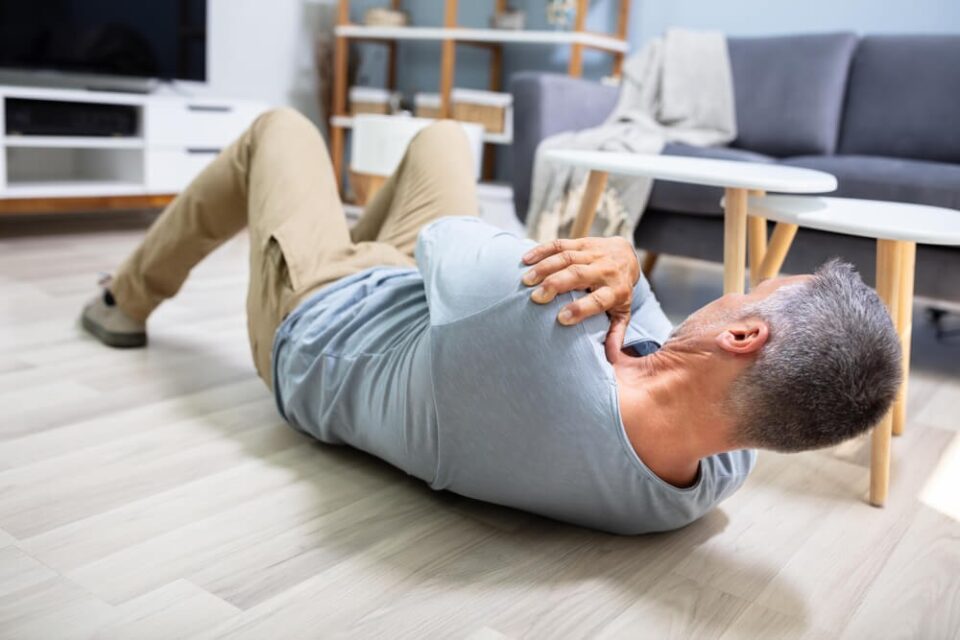
Most people never expect that a simple errand or routine visit to a store could turn into a life-altering event. Yet slip and fall accidents in Florida often unfold in an instant, leaving injured individuals facing painful recoveries, mounting medical bills, and deep emotional frustration. Behind every legal case is a human story filled with challenges that extend far beyond the moment someone hits the ground. Law firms like Chalik and Chalik, which represent only injured individuals, see these stories every day and understand how overwhelming the aftermath can feel.
Imagine a person walking through a Florida supermarket or retail store on an ordinary afternoon. Their mind is on their shopping list, their family, or the tasks waiting for them at home. Without warning, a slick spot on the floor sends them crashing down. The sound of impact echoes, and the pain arrives immediately—sharp, startling, and disorienting. In those first seconds, embarrassment often mixes with fear. People may try to stand, not realizing that their injuries are far more serious than they appear. A fractured hip, torn ligaments, or a head injury can turn one brief moment into months or even years of recovery.
This emotional reality is rarely discussed openly, but it is central to understanding the real consequences of slip and fall accidents. Florida law examines liability through the lens of statutes and evidence, but victims live through the physical pain, the inconvenience, and the anxiety of not knowing what comes next. Many injured individuals describe feeling dismissed or unheard when they report the incident. Store employees may offer minimal assistance or appear more concerned about corporate procedures than the well-being of the person on the floor. This disconnect adds to the emotional burden victims experience.
From a legal standpoint, Florida’s premises liability laws aim to ensure fairness. Under Florida Statutes §768.0755, an injured person must show that the business had actual or constructive knowledge of the dangerous condition. But victims often assume that because they fell, the store will automatically take responsibility. Unfortunately, this is rarely the case. Businesses and their insurance companies often respond quickly, not with compassion, but with strategies designed to minimize financial exposure. Understanding how Florida courts analyze constructive knowledge—whether the hazard existed long enough to be discovered or was a recurring, predictable problem—is essential to pursuing justice.
Recurring hazards are especially important in these cases. Floors near refrigerated displays, beverage aisles, restrooms, or store entrances often develop slippery spots. Sometimes the dangers relate to poor maintenance practices or lack of consistent inspections. These patterns are frequently explored in cases involving major retailers. For example, discussions of Walmart slip and fall cases highlight how courts analyze inspection routines and whether businesses took reasonable steps to protect guests. These legal evaluations are crucial, but behind them are real people trying to rebuild their lives.
Victims often experience emotional challenges long after the fall. Pain restricts movement. Sleep becomes difficult. Work responsibilities feel impossible. Medical appointments take time and energy, and even simple activities—walking the dog, lifting groceries, climbing stairs—may suddenly trigger fear or discomfort. For many, the financial stress of missing work or paying for ongoing treatment becomes overwhelming. This emotional and physical toll is why Florida law allows victims to pursue compensation not only for medical expenses but also for lost income, pain and suffering, and reduced quality of life.
Another overlooked emotional strain comes from dealing with insurance companies. Adjusters sometimes contact victims within days of the fall, sounding friendly while asking leading questions. These conversations often leave individuals feeling pressured or confused. Insurers may imply that the fall was the victim’s own fault or that their injuries are exaggerated. Many people describe feeling dismissed or invalidated during these interactions. Understanding how insurance tactics work, as reflected in broader discussions of Florida slip and fall protections, empowers victims to recognize when they are being treated unfairly.
This is where supportive legal representation becomes especially meaningful. Lawyers who truly understand the human impact of slip and fall injuries take the time to listen, to validate what the injured person is going through, and to ensure their voice is heard throughout the process. Chalik and Chalik, representing only injured individuals, focus not just on the legal aspects but on the very real emotional and physical challenges each client faces. Their role involves gathering evidence, communicating with insurers, and building a strong case—but it also includes offering guidance during one of the most stressful periods of a person’s life.
Slip and fall accidents do not just cause physical harm. They disrupt daily routines, strain relationships, and challenge emotional well-being. Florida law provides a structure for accountability, but understanding the human side of these cases is equally important. By recognizing how profoundly a fall can affect someone’s life, victims can approach the legal process with confidence and clarity. With the right support, they can pursue the compensation they deserve and begin the process of healing—not just physically, but emotionally as well. Through compassion and advocacy, firms like Chalik and Chalik help injured individuals move forward after an unexpected and life-changing event.
Working with a certified mediator in Tulsa can help individuals and organizations resolve disputes in a structured and respectful environment. Mediation encourages productive communication and allows all parties to participate in finding practical solutions. This collaborative process often leads to faster resolutions while minimizing the financial and emotional strain of litigation.
